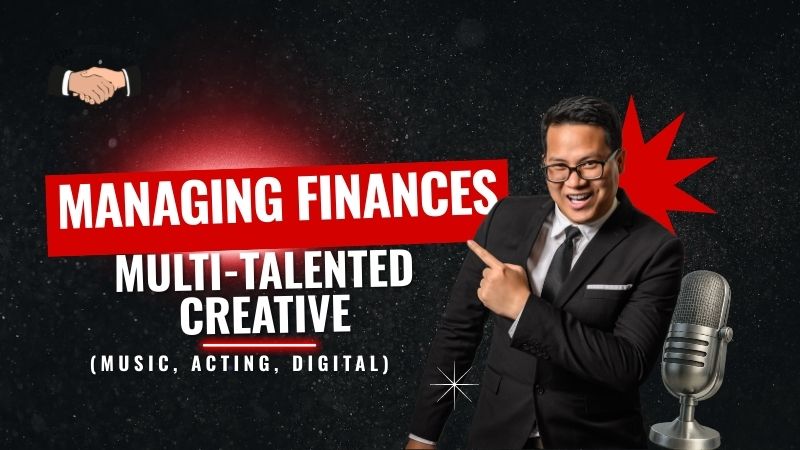
If you’re a singer on weekends, an actor during auditions, and a content creator in between — welcome to the multi-talented creative life. It’s exciting, unpredictable, and full of opportunity. But when your income comes from music gigs, acting projects, brand collaborations, YouTube ads, and maybe even workshops, managing money can feel overwhelming.
Talent may open multiple income streams. Smart money management keeps them working for you.
Here’s how to stay financially stable while juggling music, acting, and digital work.
1. Treat Yourself Like a Creative Business
When you have multiple talents, you’re not just an artist — you’re a brand.
Open a separate bank account for your creative earnings. Track payments from:
- Music performances and royalties
- Acting projects
- Brand deals and collaborations
- Ad revenue and sponsorships
- Digital campaigns
This gives you clarity. You’ll know which stream is strongest and which one needs more attention.
Think of yourself as a small company with different departments.
2. Manage Irregular Income the Smart Way
One month, a music show pays well. Another month, a web series role brings income. Then maybe two months feel slow.
Instead of planning your expenses based on your highest earning month, calculate your average monthly income across 12 months. That number becomes your lifestyle limit.
If you earn more than average, save or invest the extra. If you earn less, your savings cover the gap.
Consistency in spending creates stability in an unpredictable career.
3. Build Multiple Safety Nets
As a creative working in different fields, you face different risks — cancelled shoots, delayed payments, algorithm changes, event cancellations.
Create:
- An emergency fund (at least 6–9 months of expenses)
- Health insurance
- A backup income skill (editing, teaching, consulting)
When one stream slows down, another can support you. Financial safety reduces stress and keeps your focus on your craft.
4. Plan for Taxes Before They Surprise You
Many creatives forget this part. Brand deals, performance fees, digital monetization — all are taxable.
Set aside 20–30% of each payment for taxes. Keep this amount in a separate account so you’re not caught off guard later.
Work with a CA who understands freelancers and artists. Proper tax planning protects your income and avoids penalties.
5. Invest in Skills — But Track the Return
Workshops, acting classes, studio sessions, better equipment — all are important. But every expense should have purpose.
Before spending on gear or courses, ask:
- Will this increase my earning potential?
- Will this improve quality significantly?
- Can I afford this without touching emergency savings?
Invest in growth, but not out of impulse.
6. Avoid Lifestyle Pressure
Creative industries often come with image pressure — better outfits, better gadgets, better locations.
But social media visibility doesn’t always reflect financial stability.
Stay practical. Build assets quietly. Long-term security matters more than short-term appearance.
7. Create Long-Term Wealth Outside Your Talent
Your skills may bring high income for a period of time. But long-term wealth usually comes from investments.
Consider:
- Mutual funds or index funds
- Fixed deposits
- Retirement planning
- Real estate (when financially ready)
This ensures your money works even when you’re not on stage, on set, or online.
Final Thoughts
Being multi-talented is powerful. Music, acting, and digital content can create diverse income streams that many traditional careers don’t offer.
But diversity without planning can lead to chaos.
When you manage your finances like a professional, you gain freedom. Freedom to choose better projects. Freedom to say no to low-paying work. Freedom to focus on quality instead of survival.
In creative careers, talent builds attention. Financial discipline builds longevity.m